
 https://floridaappellate.com/wp-content/uploads/2017/01/Florida-Appellate-Procedure-Blog-Logo.png
0
0
Dineen
https://floridaappellate.com/wp-content/uploads/2017/01/Florida-Appellate-Procedure-Blog-Logo.png
Dineen2023-06-01 13:39:512023-06-01 14:10:39Appeals 101: What is an Appeal?
https://floridaappellate.com/wp-content/uploads/2017/01/Florida-Appellate-Procedure-Blog-Logo.png
0
0
Dineen
https://floridaappellate.com/wp-content/uploads/2017/01/Florida-Appellate-Procedure-Blog-Logo.png
Dineen2023-06-01 13:39:512023-06-01 14:10:39Appeals 101: What is an Appeal?
https://floridaappellate.com/wp-content/uploads/2017/01/Florida-Appellate-Procedure-Blog-Logo.png
0
0
Dineen
https://floridaappellate.com/wp-content/uploads/2017/01/Florida-Appellate-Procedure-Blog-Logo.png
Dineen2023-05-04 14:45:112023-05-04 14:45:11Supreme Court Again Amends Preservation Requirements of Rehearing Rule
https://floridaappellate.com/wp-content/uploads/2017/01/Florida-Appellate-Procedure-Blog-Logo.png
0
0
Dineen
https://floridaappellate.com/wp-content/uploads/2017/01/Florida-Appellate-Procedure-Blog-Logo.png
Dineen2022-08-30 12:51:162023-05-04 15:18:52Rule Change: Rehearing Required to Preserve Challenge to Sufficiency of Trial Court Findings
https://floridaappellate.com/wp-content/uploads/2017/01/Florida-Appellate-Procedure-Blog-Logo.png
0
0
Dineen
https://floridaappellate.com/wp-content/uploads/2017/01/Florida-Appellate-Procedure-Blog-Logo.png
Dineen2021-10-30 13:40:372023-01-17 15:09:09Renamed Rules of General Practice and Judicial Administration
https://floridaappellate.com/wp-content/uploads/2017/01/Florida-Appellate-Procedure-Blog-Logo.png
0
0
Dineen
https://floridaappellate.com/wp-content/uploads/2017/01/Florida-Appellate-Procedure-Blog-Logo.png
Dineen2021-05-14 14:45:392021-05-14 14:47:30What Do I Do if the Other Side Files a Writ of Certiorari, Prohibition, or Mandamus in Florida Cases?
https://floridaappellate.com/wp-content/uploads/2017/01/Florida-Appellate-Procedure-Blog-Logo.png
0
0
Dineen
https://floridaappellate.com/wp-content/uploads/2017/01/Florida-Appellate-Procedure-Blog-Logo.png
Dineen2021-05-11 16:13:422021-05-11 16:14:31What Are Costs on Appeal in Federal Court?
https://floridaappellate.com/wp-content/uploads/2017/01/Florida-Appellate-Procedure-Blog-Logo.png
0
0
Dineen
https://floridaappellate.com/wp-content/uploads/2017/01/Florida-Appellate-Procedure-Blog-Logo.png
Dineen2021-04-30 14:09:462021-05-14 14:40:48What is a Writ of Certiorari in Florida State Courts?
https://floridaappellate.com/wp-content/uploads/2017/01/Florida-Appellate-Procedure-Blog-Logo.png
0
0
Dineen
https://floridaappellate.com/wp-content/uploads/2017/01/Florida-Appellate-Procedure-Blog-Logo.png
Dineen2020-08-17 12:04:262020-08-17 12:04:26Fees on Fees Rejected by Third District
https://floridaappellate.com/wp-content/uploads/2017/01/Florida-Appellate-Procedure-Blog-Logo.png
0
0
Dineen
https://floridaappellate.com/wp-content/uploads/2017/01/Florida-Appellate-Procedure-Blog-Logo.png
Dineen2023-06-01 13:39:512023-06-01 14:10:39Appeals 101: What is an Appeal?
https://floridaappellate.com/wp-content/uploads/2017/01/Florida-Appellate-Procedure-Blog-Logo.png
0
0
Dineen
https://floridaappellate.com/wp-content/uploads/2017/01/Florida-Appellate-Procedure-Blog-Logo.png
Dineen2023-06-01 13:39:512023-06-01 14:10:39Appeals 101: What is an Appeal?
https://floridaappellate.com/wp-content/uploads/2017/01/Florida-Appellate-Procedure-Blog-Logo.png
0
0
Dineen
https://floridaappellate.com/wp-content/uploads/2017/01/Florida-Appellate-Procedure-Blog-Logo.png
Dineen2023-05-04 14:45:112023-05-04 14:45:11Supreme Court Again Amends Preservation Requirements of Rehearing Rule
https://floridaappellate.com/wp-content/uploads/2017/01/Florida-Appellate-Procedure-Blog-Logo.png
0
0
Dineen
https://floridaappellate.com/wp-content/uploads/2017/01/Florida-Appellate-Procedure-Blog-Logo.png
Dineen2022-08-30 12:51:162023-05-04 15:18:52Rule Change: Rehearing Required to Preserve Challenge to Sufficiency of Trial Court Findings
https://floridaappellate.com/wp-content/uploads/2017/01/Florida-Appellate-Procedure-Blog-Logo.png
0
0
Dineen
https://floridaappellate.com/wp-content/uploads/2017/01/Florida-Appellate-Procedure-Blog-Logo.png
Dineen2021-10-30 13:40:372023-01-17 15:09:09Renamed Rules of General Practice and Judicial Administration
https://floridaappellate.com/wp-content/uploads/2017/01/Florida-Appellate-Procedure-Blog-Logo.png
0
0
Dineen
https://floridaappellate.com/wp-content/uploads/2017/01/Florida-Appellate-Procedure-Blog-Logo.png
Dineen2021-05-14 14:45:392021-05-14 14:47:30What Do I Do if the Other Side Files a Writ of Certiorari, Prohibition, or Mandamus in Florida Cases?
https://floridaappellate.com/wp-content/uploads/2017/01/Florida-Appellate-Procedure-Blog-Logo.png
0
0
Dineen
https://floridaappellate.com/wp-content/uploads/2017/01/Florida-Appellate-Procedure-Blog-Logo.png
Dineen2021-05-11 16:13:422021-05-11 16:14:31What Are Costs on Appeal in Federal Court?
https://floridaappellate.com/wp-content/uploads/2017/01/Florida-Appellate-Procedure-Blog-Logo.png
0
0
Dineen
https://floridaappellate.com/wp-content/uploads/2017/01/Florida-Appellate-Procedure-Blog-Logo.png
Dineen2021-04-30 14:09:462021-05-14 14:40:48What is a Writ of Certiorari in Florida State Courts?
https://floridaappellate.com/wp-content/uploads/2017/01/Florida-Appellate-Procedure-Blog-Logo.png
0
0
Dineen
https://floridaappellate.com/wp-content/uploads/2017/01/Florida-Appellate-Procedure-Blog-Logo.png
Dineen2020-08-17 12:04:262020-08-17 12:04:26Fees on Fees Rejected by Third District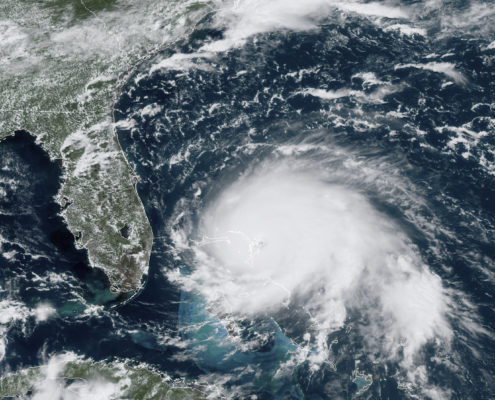 https://floridaappellate.com/wp-content/uploads/2019/09/Dorian-from-Space.jpg
1102
1689
Dineen
https://floridaappellate.com/wp-content/uploads/2017/01/Florida-Appellate-Procedure-Blog-Logo.png
Dineen2019-09-09 10:36:382019-09-09 10:36:38Florida Supreme Court Hurricane Dorian Orders
https://floridaappellate.com/wp-content/uploads/2019/09/Dorian-from-Space.jpg
1102
1689
Dineen
https://floridaappellate.com/wp-content/uploads/2017/01/Florida-Appellate-Procedure-Blog-Logo.png
Dineen2019-09-09 10:36:382019-09-09 10:36:38Florida Supreme Court Hurricane Dorian Orders https://floridaappellate.com/wp-content/uploads/2019/09/Woody-Dineen-e1567543863208.jpeg
3088
2320
Dineen
https://floridaappellate.com/wp-content/uploads/2017/01/Florida-Appellate-Procedure-Blog-Logo.png
Dineen2019-09-04 07:30:402019-09-04 08:43:41Podcasts & PCAs
https://floridaappellate.com/wp-content/uploads/2019/09/Dorian-from-Space.jpg
1102
1689
Dineen
https://floridaappellate.com/wp-content/uploads/2017/01/Florida-Appellate-Procedure-Blog-Logo.png
Dineen2019-09-03 14:22:432019-09-03 14:22:43How Does a Hurricane Affect Court Deadlines? (Dorian Edition)
https://floridaappellate.com/wp-content/uploads/2019/09/Woody-Dineen-e1567543863208.jpeg
3088
2320
Dineen
https://floridaappellate.com/wp-content/uploads/2017/01/Florida-Appellate-Procedure-Blog-Logo.png
Dineen2019-09-04 07:30:402019-09-04 08:43:41Podcasts & PCAs
https://floridaappellate.com/wp-content/uploads/2019/09/Dorian-from-Space.jpg
1102
1689
Dineen
https://floridaappellate.com/wp-content/uploads/2017/01/Florida-Appellate-Procedure-Blog-Logo.png
Dineen2019-09-03 14:22:432019-09-03 14:22:43How Does a Hurricane Affect Court Deadlines? (Dorian Edition) https://floridaappellate.com/wp-content/uploads/2019/07/nypl.digitalcollections.510d47e2-9122-a3d9-e040-e00a18064a99.001.w.jpg
760
534
DPW Legal
https://floridaappellate.com/wp-content/uploads/2017/01/Florida-Appellate-Procedure-Blog-Logo.png
DPW Legal2019-07-22 09:35:362019-07-22 09:35:36Weird, Wild Stuff: Nine Proposed Appellate Rule Changes You May Want to Weigh In On
https://floridaappellate.com/wp-content/uploads/2017/01/Florida-Appellate-Procedure-Blog-Logo.png
0
0
DPW Legal
https://floridaappellate.com/wp-content/uploads/2017/01/Florida-Appellate-Procedure-Blog-Logo.png
DPW Legal2019-05-23 07:30:272019-05-22 13:15:50Is Memorial Day, May 27, a Court Holiday? (2019 edition)
https://floridaappellate.com/wp-content/uploads/2017/01/Florida-Appellate-Procedure-Blog-Logo.png
0
0
DPW Legal
https://floridaappellate.com/wp-content/uploads/2017/01/Florida-Appellate-Procedure-Blog-Logo.png
DPW Legal2019-05-20 10:14:242019-05-23 15:10:47You Used Daubert at Trial but Now it’s Frye? Here’s What the Appellate Court Might Do. (UPDATED–IT’S DAUBERT AGAIN!)
https://floridaappellate.com/wp-content/uploads/2017/01/Florida-Appellate-Procedure-Blog-Logo.png
0
0
DPW Legal
https://floridaappellate.com/wp-content/uploads/2017/01/Florida-Appellate-Procedure-Blog-Logo.png
DPW Legal2019-04-23 15:17:352019-04-23 15:17:42What’s it like to appear before the United States Supreme Court? Let’s talk about it, podcast-style.
https://floridaappellate.com/wp-content/uploads/2017/01/Florida-Appellate-Procedure-Blog-Logo.png
0
0
DPW Legal
https://floridaappellate.com/wp-content/uploads/2017/01/Florida-Appellate-Procedure-Blog-Logo.png
DPW Legal2019-04-18 17:25:282019-04-18 17:25:35Is Good Friday a Court Holiday? (2019 Edition)
https://floridaappellate.com/wp-content/uploads/2017/01/Florida-Appellate-Procedure-Blog-Logo.png
0
0
Dineen
https://floridaappellate.com/wp-content/uploads/2017/01/Florida-Appellate-Procedure-Blog-Logo.png
Dineen2019-01-31 08:10:572019-01-29 15:30:45Briefing Deadlines Fixed
https://floridaappellate.com/wp-content/uploads/2019/07/nypl.digitalcollections.510d47e2-9122-a3d9-e040-e00a18064a99.001.w.jpg
760
534
DPW Legal
https://floridaappellate.com/wp-content/uploads/2017/01/Florida-Appellate-Procedure-Blog-Logo.png
DPW Legal2019-07-22 09:35:362019-07-22 09:35:36Weird, Wild Stuff: Nine Proposed Appellate Rule Changes You May Want to Weigh In On
https://floridaappellate.com/wp-content/uploads/2017/01/Florida-Appellate-Procedure-Blog-Logo.png
0
0
DPW Legal
https://floridaappellate.com/wp-content/uploads/2017/01/Florida-Appellate-Procedure-Blog-Logo.png
DPW Legal2019-05-23 07:30:272019-05-22 13:15:50Is Memorial Day, May 27, a Court Holiday? (2019 edition)
https://floridaappellate.com/wp-content/uploads/2017/01/Florida-Appellate-Procedure-Blog-Logo.png
0
0
DPW Legal
https://floridaappellate.com/wp-content/uploads/2017/01/Florida-Appellate-Procedure-Blog-Logo.png
DPW Legal2019-05-20 10:14:242019-05-23 15:10:47You Used Daubert at Trial but Now it’s Frye? Here’s What the Appellate Court Might Do. (UPDATED–IT’S DAUBERT AGAIN!)
https://floridaappellate.com/wp-content/uploads/2017/01/Florida-Appellate-Procedure-Blog-Logo.png
0
0
DPW Legal
https://floridaappellate.com/wp-content/uploads/2017/01/Florida-Appellate-Procedure-Blog-Logo.png
DPW Legal2019-04-23 15:17:352019-04-23 15:17:42What’s it like to appear before the United States Supreme Court? Let’s talk about it, podcast-style.
https://floridaappellate.com/wp-content/uploads/2017/01/Florida-Appellate-Procedure-Blog-Logo.png
0
0
DPW Legal
https://floridaappellate.com/wp-content/uploads/2017/01/Florida-Appellate-Procedure-Blog-Logo.png
DPW Legal2019-04-18 17:25:282019-04-18 17:25:35Is Good Friday a Court Holiday? (2019 Edition)
https://floridaappellate.com/wp-content/uploads/2017/01/Florida-Appellate-Procedure-Blog-Logo.png
0
0
Dineen
https://floridaappellate.com/wp-content/uploads/2017/01/Florida-Appellate-Procedure-Blog-Logo.png
Dineen2019-01-31 08:10:572019-01-29 15:30:45Briefing Deadlines Fixed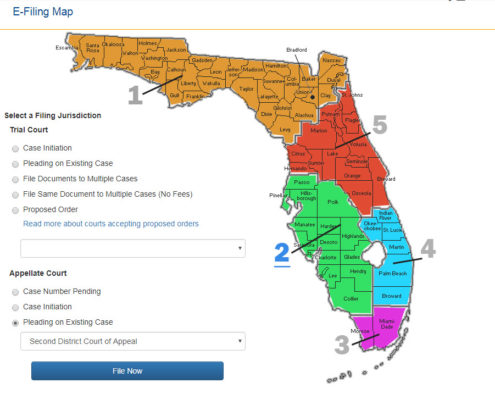 https://floridaappellate.com/wp-content/uploads/2019/01/eDCA-initiation-screen.jpg
728
915
Dineen
https://floridaappellate.com/wp-content/uploads/2017/01/Florida-Appellate-Procedure-Blog-Logo.png
Dineen2019-01-30 11:48:082019-01-30 11:50:15First and Third DCAs Transition to ePortal for Electronic Filing
https://floridaappellate.com/wp-content/uploads/2017/01/Florida-Appellate-Procedure-Blog-Logo.png
0
0
Dineen
https://floridaappellate.com/wp-content/uploads/2017/01/Florida-Appellate-Procedure-Blog-Logo.png
Dineen2019-01-28 08:00:462019-01-27 17:42:47New Rule 9.380 Allows Notification of Related Cases
https://floridaappellate.com/wp-content/uploads/2017/01/Florida-Appellate-Procedure-Blog-Logo.png
0
0
Dineen
https://floridaappellate.com/wp-content/uploads/2017/01/Florida-Appellate-Procedure-Blog-Logo.png
Dineen2019-01-11 13:25:512019-01-11 13:25:514th and 5th DCAs Transition to Portal
https://floridaappellate.com/wp-content/uploads/2019/01/January.jpg
760
549
Dineen
https://floridaappellate.com/wp-content/uploads/2017/01/Florida-Appellate-Procedure-Blog-Logo.png
Dineen2019-01-09 10:00:212019-06-19 13:56:01Calculating Deadlines Under the New Rules
https://floridaappellate.com/wp-content/uploads/2019/01/eDCA-initiation-screen.jpg
728
915
Dineen
https://floridaappellate.com/wp-content/uploads/2017/01/Florida-Appellate-Procedure-Blog-Logo.png
Dineen2019-01-30 11:48:082019-01-30 11:50:15First and Third DCAs Transition to ePortal for Electronic Filing
https://floridaappellate.com/wp-content/uploads/2017/01/Florida-Appellate-Procedure-Blog-Logo.png
0
0
Dineen
https://floridaappellate.com/wp-content/uploads/2017/01/Florida-Appellate-Procedure-Blog-Logo.png
Dineen2019-01-28 08:00:462019-01-27 17:42:47New Rule 9.380 Allows Notification of Related Cases
https://floridaappellate.com/wp-content/uploads/2017/01/Florida-Appellate-Procedure-Blog-Logo.png
0
0
Dineen
https://floridaappellate.com/wp-content/uploads/2017/01/Florida-Appellate-Procedure-Blog-Logo.png
Dineen2019-01-11 13:25:512019-01-11 13:25:514th and 5th DCAs Transition to Portal
https://floridaappellate.com/wp-content/uploads/2019/01/January.jpg
760
549
Dineen
https://floridaappellate.com/wp-content/uploads/2017/01/Florida-Appellate-Procedure-Blog-Logo.png
Dineen2019-01-09 10:00:212019-06-19 13:56:01Calculating Deadlines Under the New Rules